Marriage Communication Problems: How to Talk Without Fighting

Picture this: you asked your spouse a simple question about getting groceries from the market, and somehow, 5 minutes later, both of you are raising your voices over something else that’s not in any way related to groceries.
Does that sound similar? This has happened in many marriages, and it has left many couples feeling hurt and disconnected.
Many couples love each other so much, but they still don’t have good communication. The problem is not a lack of love; it is often a lack of the right habits and awareness needed to share their thoughts and feelings without causing another conflict or defensiveness.
When left unaddressed, marriage communication problems will create emotional distance and a growing sense of loneliness, even when you are living under the same roof.
Thankfully, learning to talk without causing another fight is not something you are either born with or without, but a skill you can develop, practice, and improve over time.
In this post, I will show you the causes of communication problems in marriage, how to recognize the red flags, and actionable steps you can take to have more productive conversations with your partner.
What Are Marriage Communication Problems?
Define Communication Challenges in Marriage:
Marriage communication problems usually show up in normal moments.
They are usually present in the sigh that takes the place of an answer, the argument that begins about laundry but ends about respect, and the silence that stays between two people who don’t know how to bridge the gap.
Communication issues in marriage include unchecked assumptions, criticism, stonewalling, and defensiveness. However, these issues are not always about what is said; they are mostly about how something is said: the tone, the body language, and the timing.
Why They Matter:
Marriage communication problems affect far more than just the quality of your conversations.
Ineffective communication destroys trust, weakens intimacy, disrupts teamwork, and erodes the emotional safety that every healthy marriage greatly thrives on.
When spouses find it hard to talk openly and honestly, it affects every other area of the relationship.
Why Conversations Turn Into Fights So Quickly.
Emotional Triggers Often Drive Reactions:

One of the biggest reasons conversations intensify into arguments is that there are past hurts and unresolved conflicts still sitting just beneath the surface.
When you say something that inadvertently reminds you of past hurts, your emotional brain must react before your rational mind can even respond. These triggers can heighten a calm discussion into a heated argument or fight in just a second.
Marriage communication problems are usually not rooted in the present moment but in emotional patterns that stem from past experiences, either from childhood or later in life.
It is important you understand what your triggers are, or your partner’s, as that will help you break the cycle of reactive conflict.
Feeling Unheard Creates Frustration:
Many heated moments in marriage don’t come from the topic being discussed; they are about feeling misunderstood.
When a partner feels like they are not taken seriously or heard, they become frustrated, and that frustration over time manifests during an argument because they feel dismissed.
The Desire to Win Instead of Understand:
Another common reason for marriage communication problems is when partners approach conversation as a competition rather than collaboration.
When the goal is no longer about understanding your spouse, but to prove your point, productive dialogue will become impossible. Both partners end up defending their positions instead of working as a team to have a common solution.
Sign 1: You Listen to Respond Rather Than Understand.
The Difference Between Hearing and Listening:
There is a great difference between hearing your partner and listening to them. Hearing is passive, while listening is always intentional.
One of the hidden signs of marriage communication problems is when you stop listening truly and start waiting for your turn to speak.
When all your focus of about how to form a response while your partner is talking, you will miss the full message they are trying to convey.
Interrupting, dismissing, or taking over others before they fully express themselves are all habits that erode connection by increasing tension.
What Healthy Listening Looks Like:
Active listening is a skill that can change the quality of your communication in marriage.
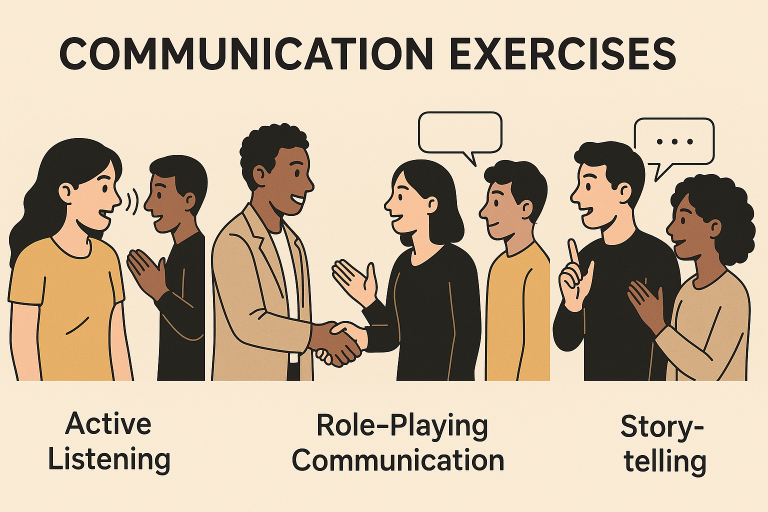
It involves maintaining good eye contact during communication, asking questions to show you understood correctly, and reflecting on all you heard before you offer your own perspective.
Phrases like “What I hear you saying is…” or “Can you help me understand what you mean?” will create an environment for a better understanding and prevent reactive conflict.
Sign 2: Criticism Has Replaced Constructive Communication
Why Criticism Feels Like an Attack:
Another common sign of communication issues in marriage is when criticism becomes the way of expressing dissatisfaction.
Criticism is far beyond addressing a specific behaviour; it attacks the worth of a person. Using a statement like “You are so irresponsible” is not about the problem, but about the person.
When your spouse feels attacked rather than addressed, it will cause her to go into defensive mode. Blaming language usually shuts down communication before it even begins.
Better Alternative:
According to a renowned relationship expert, Dr. John Gottman’s research, criticism is one of the most reliable ways to know when a relationship is in distress.
Instead of leading with accusations, couples benefit from using “I feel” statements that express the emotional impact of a specific behavior without targeting the other person’s character.
Instead of using blaming or accusatory statements, try using “I feel” statements. These statements are far better, as they focus on how a certain action affects you emotionally rather than attacking your spouse’s character.
For example, saying, “I feel hurt when we don’t spend time together” is far better than saying, “You never care about me.”
Sign 3: Defensiveness Prevents Real Conversations.
What Defensiveness Sounds Like:

Defensiveness is one of the most disruptive marriage communication problems because it effectively ends productive dialogue.
It sounds like making excuses rather than listening, shifting blame instead of taking responsibility, and refusing to acknowledge any part you may have played in a conflict.
How Defensiveness Escalates Conflict:
When one of you responds defensively, the other spouse will feel dismissed, and their concerns will also feel invalid.
That’s when what began as an attempt to share something important will cause further hurt. Defensiveness shows your partner that it’s not safe to be honest with you anymore. Over time, they may stop trying.
Healthier Response:
The best and constructive approach is to always pause before responding, accept your role in the issue, and validate your spouse’s feelings before saying your opinion.
Saying “I can see why that upset you” before defending yourself will change the entire tone of the conversation.
Sign 4: Difficult Topics Are Constantly Avoided
The Cost of Avoidance:
Avoidance may feel normal at first, but it is one of the subtle marriage communication problems that leads to serious long-term damage.
When difficult topics are consistently not discussed, they do not disappear; instead, they accumulate.
Unsolved issues in marriage grow into resentment, which quietly builds emotional walls between spouses.
Why Couples Avoid Hard Conversations:
Most couples never want to have difficult conversations, not because they don’t care, but because they are afraid it can result in a fight or quarrels.
They fear rejection, being misunderstood, and the emotional pain honest conversation can sometimes reveal.
While these fears are understandable, avoidance obviously costs more than the discomfort of having the conversation.
How to Talk Without Fighting:
Choose the Right Time for Difficult Discussions:
When trying to have difficult discussions, you must consider the timing. Trying to resolve a sensitive issue when your partner is stressed, exhausted, or emotionally flooded will always lead to an unproductive exchange.
The best is to create a calm, private environment, and both of you will choose when you are in a good state of mind to receive any information.
Focus on Understanding Before Being Understood:
The best shift you and your spouse can make now is to approach all your difficult conversations with curiosity instead of urgency.
That means you must ask questions before defending yourself. Always ensure you understand your spouse before explaining yourself. These little shifts in habit can prevent a great number of arguments from escalating.
Use Gentle Start-Ups:
Research from John Gottman’s institute always shows that the very way a conversation begins also determines how it will end.
A harsh opening with accusatory remarks almost guarantees a defensive response, while a gentle start-up will set a collaborative tone from the very beginning. Instead of:
“You never help me around here.” Say: “Can we talk about something that has been weighing on me? I could really use your help with something.”
Control Tone and Body Language:
Words are only carrying a message in any conversation; facial expressions and body language communicate more than the words themselves.
Sarcasm and eye-rolling are among the top causes of marriage communication problems, because they signal disrespect, which shuts down communication instantly.
Stay on One Topic:
During heated moments, you may be tempted to bring up all the unresolved grievances, but don’t do that.
Stay focused on the single issue to facilitate resolution. Keeping track of the past mistakes will bury the original concern and overwhelm both of you.
Take Healthy Breaks When Needed:
There is a great difference between taking a pause and avoiding a conversation totally.
When emotions become too high, observing a temporary break of about fifteen to twenty minutes will allow both of you to calm your nerves and return to the conversation with clarity.
Marriage communication problems often worsen when couples try to resolve things while their emotions are still flooded.
What the Research Says About Healthy Communication.
Findings From Relationship Studies:
Years of research by relationship experts lile like Sue Johnson, Dr. John Gottman, and others have made us understand what helps a marriage succeed or fail.
One of the things they pointed out is the importance of daily quality interactions, and how it is the foundation of a lasting relationship’s health.
Dr. John Gottman observes that “Successful long-term relationships are created through small gestures, words and acts,” which reflects a central truth about marriage: “connection is built in the ordinary moments.
The daily greetings, the active listening, the insignificant acknowledgement that says “I see you, are the type of interactions that create emotional safety needed in relationships to navigate marriage communication problems when they arise.
Sue Johnson, the initiator of Emotionally Focused Therapy, on the other hand, emphasizes that underneath most of the conflicts in relationships is an unmet need for emotional closeness.
When you understand and respond to those deeper needs, communication will transform.
Marriage Communication Problems And How To Build Better Communication Habits Every Day:
Building lasting communication in marriage does not happen overnight. It is built through consistently practiced daily habits over time. Developing effective relationship communication skills requires intentional small choices you made everyday.
You can start today with a daily check-in, even if it’s just five minutes of uninterrupted conversation about each other’s feelings.
Show your appreciation for any significant thing your partner did. Ask question that’s far beyond the daily logistics, and work towards resolving issues before they turn to resentment.
These habits help to strengthen emotional connection, improve your listening skills, and create the foundation for conflict resolution that works.
When you invest in building your marital communication daily rather than in crisis, you will build the kind of strong relationship where you and your partner will feel genuinely known and valued.
Conclusion On Marriage Communication Problems:
As I round up this post today, I want to tell you again that marriage communication problems don’t mean that your marriage is broken.
They are just signs that you are human and, just like every other couple, you are going through the real and some times the difficulty time of building a marriage together.
The challenges you are having in communication are not peculiar to you, but they can also be fixed. With awareness, intentionality, and commitment to knowing your spouse better, the way you talk to each other can improve greatly.
Healthy conversations create trust, trust builds intimacy, and intimacy creates the kind of connection that helps a marriage survive and flourish.
This week, I implore that you to choose one communication skill from the post and devote more time to practicing it. Just one. Observe what happens whenever you listen more than you speak, or when you choose your spouse’s heart over winning the arguments.
The goal of communication is not to win an argument, but to strengthen the relationship behind the conversation.
Frequently Asked Questions About Communication Problems In Marriage:
How do I communicate with my spouse without arguing?
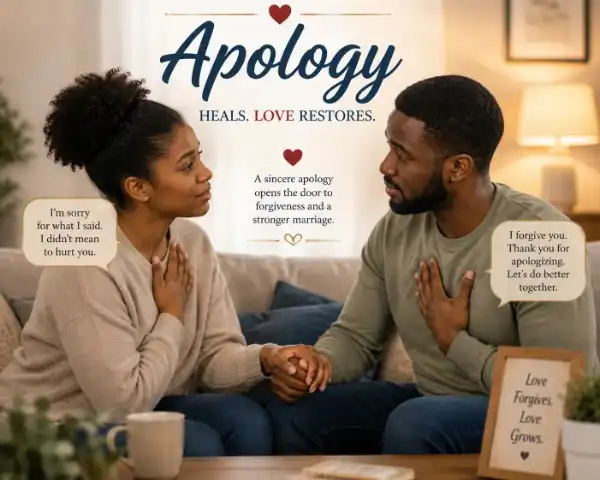
Choose the best time to talk, and not when your partner is stressed. When talking, use “I feel” statements instead of accusations, and focus on understanding the message your partner is conveying before responding.
Active listening and a gentle tone will go a long way in preventing your conversation from escalating
What causes communication breakdown in marriage?
The common causes of communication breakdown are emotional triggers from past hurts, criticism, defensiveness, and listening to respond rather than understand. Over time, these patterns will erode trust and emotional safety.
Can poor communication destroy a marriage?
Yes, it can. From research, John Gottman discovered patterns like criticism, contempt, and stonewalling as major predictors of breakdown in relationships.
When poor communication is left unaddressed, it can lead to emotional distance, resentment and separation.
How can couples improve emotional connection?
Through daily check-ins, asking meaningful questions, and expressing genuine appreciation will help you build emotional connection. Creating an environment where both of you can feel safe and heard is the foundation you need for lasting intimacy.
When should married couples seek counseling?
One of the best times to seek counselling is when your conversations constantly leads to unresolved conflicts, or when one or both of you feel unheard or disconnected, or pattern of avoidance, or contempt have become deeply rooted.
Seeking help on time is far more better than waiting until your relationship is overwhelmed by problems.
Related Posts:
How To Fix Communication In Marriage: 7 Proven Steps.
Couples Communication Exercises That Actually Work Like Magic.
9 Interesting Couples Therapy For Communication You Must Know
Difficult Conversations: 8 Best Steps To Converse With Partner.