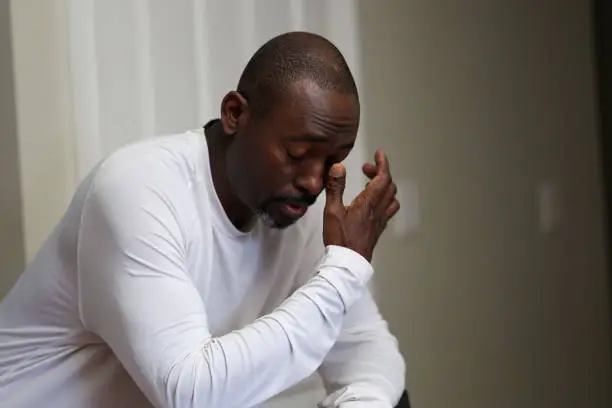
Emotional Distance in Marriage: Why Close Couples Grow Apart


Many couples live under the same roof, share the same bed, and the same daily routine, but still feel miles apart, even when there’s no explosive argument and no single moment to explain it.
Emotional distance in marriage often begins with silence, one small, neglected moment at a time. In this post, we will explore why couples split apart, what it looks like, and how you can find your way back together if this happens.
What Is Emotional Distance in Marriage?
Emotional distance is the gradual weakening of closeness between spouses, or the quiet feeling of being unheard, unseen, unknown by the person you chose to spend your lifetime with.
It is not the same thing as needing time alone. Every successful marriage needs some room for personal growth and recharge.
Emotional distance in marriage is different. It happens when partners are no longer feeling connected. This is when the closeness, the understanding, and the intimacy they enjoy begin to gradually fade.
As emotional connection starts fading, happiness also starts decreasing. A strong connection is not an extra part of marriage; it is the foundation that holds a relationship strong and healthy.
Common Signs of Emotional Distance in Marriage:
The signs of emotional distance are always subtle, so many couples don’t seem to notice them. Conversation gradually shifts from meaningful to mechanical, like “what is for dinner or who picked up the kids.
Affection also becomes less frequent and less spontaneous; couples spend more time pressing their phones, absorbed in work, or prioritizing their separate hobbies.
But one of the most overwhelming signs of emotional disconnection is feeling deeply lonely even when you are not technically alone.
Important discussions are avoided because they feel risky or exhausting, and instead of having open conversations, couples make assumptions, which can cause resentment.
Couples can be under the same roof, lie in the same bed, eat on the same table, and still feel emotionally disconnected.
This quiet daily routine may not appear harmful from the outside, but on-site, the relationship feels empty. This is one of the most overlooked forms of emotional distance in marriage.
Why Emotional Distance in Marriage Happens Gradually:
Emotional distance doesn’t come announced; it starts gradually, before it accumulates.
It usually starts from a conversation that never happened, needs that went unarticulated, and conflicts that got buried under the carpet, until the gap feels wide and unfamiliar.
Busy schedules are also one of the major contributors to emotional distance in marriage. When career, finance, and household responsibilities take most of a couple’s energy, intentional connectedness is always the first culprit.
The couple stops investing out of exhaustion, not out of neglect. Distance usually begins long before they even recognise it.
Unresolved Conflicts Create Emotional Walls:
Few things destroy emotional closeness as easily and quickly as repeated unresolved conflicts.
When arguments end without a solution, hurt feelings go without being acknowledged and grievances stay buried, the result is resentment. Over time, that resentment becomes hardened into emotional walls.
Withdrawal is a natural response of self-protection; for example, a spouse who has been criticised consistently when they open up will eventually stop opening up. They are not being indifferent; it is self-preservation.
Avoiding conflict may feel harmless in the short term, but it is not the same thing as resolving conflict, and unaddressed tension doesn’t disappear; instead, it goes underground and grows into deeper marital disconnection.
Poor Communication Weakens Emotional Connection:

Communication issues are among the top, consistent contributors to couples growing apart in marriage.
The issue is not always a total breakdown; it’s a slow deterioration in quality. It happens when couples stop listening to understand and start listening to respond.
That’s when defensive reactions replace curiosity and emotional shutdown becomes a familiar pattern.
One spouse always feels misunderstood or dismissed; they minimise what they share with their spouse, and when the other notices the withdrawal, it may cause them to pull back too.
Ineffective communication doesn’t just fail to solve a problem, they create emotional separation. The way a couple talks to each other, or stops talking, will shape the whole emotional climate of that marriage.
Stress and Life Pressures Push Couples Apart:
External pressure is a powerful but neglected force in marital discrimination. Most times, financial strain will create anxiety that bleeds into every conversation. Parenting responsibilities on their own consume time and emotional bandwidth.
The worst is career demands, as they bring home fatigue that leaves no room for genuine connection. Health challenges always shift relational dynamics in ways couples are not always ready for.
All of these stressors are no one’s fault. However, when spouses are running on empty, their marriage will undoubtedly absorb the cost, and when they are under sustained pressure, they can become functional partners, even as they manage life, and still drift apart as emotional companions.
Stress does not have to harm a marriage, but when it is left unaddressed, it can widen the distance between couples who still love each other.
When Emotional Needs Go Unmet:
Everybody in any relationship has their core emotional needs. To some, they want to feel appreciated, validated, supported, and truly seen, and when those needs are neglected, emotional distance becomes the end result.
A spouse who has never felt genuinely appreciated will begin to feel invisible, while a partner who needed support but finds distraction will never want to reach out anymore. Emotional needs never shrink when they are ignored; they grow more urgent and painful.
Additionally, feeling lonely in marriage, even if you are physically present with each other, is one of the most visible signs that emotional needs have never been met for too long.
The Consequences of Emotional Distance in Marriage:
The cost of not addressing emotional distance in marriage is high, because it will cause loneliness to deepen, relationship satisfaction to decline, and physical and emotional intimacy to become infrequent.
Without a genuine connection, both couples will become more vulnerable to personal dissatisfaction and to outside emotional attachment.
What makes emotional intimacy in marriage very dangerous is that it affects both couples even when only one has recognised it. One partner may feel the disconnection harder, while the other is still unaware of it.
By the time you and your spouse acknowledge the gap, it has taken a deeper root. Early discovery is not a luxury but a genuine advantage.
How Couples Can Rebuild Emotional Connection:

The truth remains that emotional disconnection can be reversed, and it takes intentionality, not perfection, to rebuild it.
Plan To Always have only meaningful conversations.
Daily emotional check-ins, no matter how brief it is can help bridge the gap between two people. Always find time to ask your partner how they are doing and stay present to hear their answers.
Practice active listening:
Always try to understand them well before you respond, and put your phone down during conversation. Make eye contact. Let your partner finish before you give your reply.
Spend quality time together:
Be ready to share your experiences, even the simple ones, as they help to rebuild a sense of being a team. Taking a walk in the park, having meals without a screen, and routine dates are all important when you rebuild emotional connection.
Address conflicts early:
Never let your feelings turn into resentment. Always resolve every disagreement before they become overwhelming to your relationship.p
Show consistent affection:
Small gestures like a touch on the shoulder, an unexpected kind word, and a genuine compliment show how much you care and strengthen emotional closeness more than emotional grand gestures.
Seek professional help if needed:
Seeking professional guidance is not a last resort, but a wise investment. A skilled, certified counselor will help you identify patterns you cannot see on your own, and help you rebuild the tools for genuine reconnection.
Conclusion:
Emotional distance in marriage is very common today, and one of the least discussed marriage threats couples face.
It doesn’t grow from hatred, but from neglect, accumulation of stress, poor communication, and unmet needs. The drift is always gradual. And the return is gradual also.
No couple is immune to having challenges, but no couple is without hope too. The same intentionality that caused the distance to happen, when redirected with purpose, can restore the lost glory.
However, I advise that you don’t wait until the gap feels permanent to tackle it. Reach for your partner today, with honesty, humility, and confidence that the connection you once shared can be restored.
Feeling emotionally distant in your marriage should not be the end of your story. For most couples who decide to act, it will be their turning point.
Emotional distance in marriage does not have to be the end of your story. For most couples who choose to act, it becomes the turning point.
Frequently Asked Questions:
Can emotional appreciation be fixed?
Yes, it can be fixed, and more often than people think. The guidance you get from professionals is also more helpful. Many couples have restored genuine closeness by just having honest communication, mutual commitment, and constant daily efforts.
Marriage counselling can help restore closeness in an effective way to restore closeness, as the counsellors can give you tools that will help rebuild faster and more thoroughly than you can on your own. Sometimes, it can cause emotional distance in marriage.
The more support you get from professionals in marriage disconnection, unmet emotional needs, chronic external stress, and unresolved conflicts, and they usually don’t operate alone.
These factors may reinforce each other gradually over time, which is why the distance often come sudden, even though it developed quietly
Is emotional distance a sign of divorce?
Sometimes emotional distance can result in divorce, but not always. Many couples who discovered the disconnection on time and respond to it swiftly go on to build stronger marriages than before.
The signs are not the danger. It becomes a danger when you see the signs and ignore them.
How do I reconnect with my spouse emotionally?
You can easily reconnect with your partner with an honest low-pressure conversation. Tell your spouse what you have been feeling without being within them, and then start , practicing how to be patient and actively listening, spend quality time together, and learn how to express appreciation consistently.
Small daily gestures like attention, affection, and acknowledgments you get from professionals are more supportive than a single dramatic effort.
How long does it take to rebuild emotional intimacy?
There’s absolutely no specific time to rebuild intimacy. Some couples see great changes within a week of consistent action, while others may need to work for several months, especially when the distance has developed over the years.
The level of the disconnection, the willingness of both of you, and the support you get from professionals (if there’s any) will all shape the pace. What matters most is that both of you are genuinely committed to getting good results for your marriage.