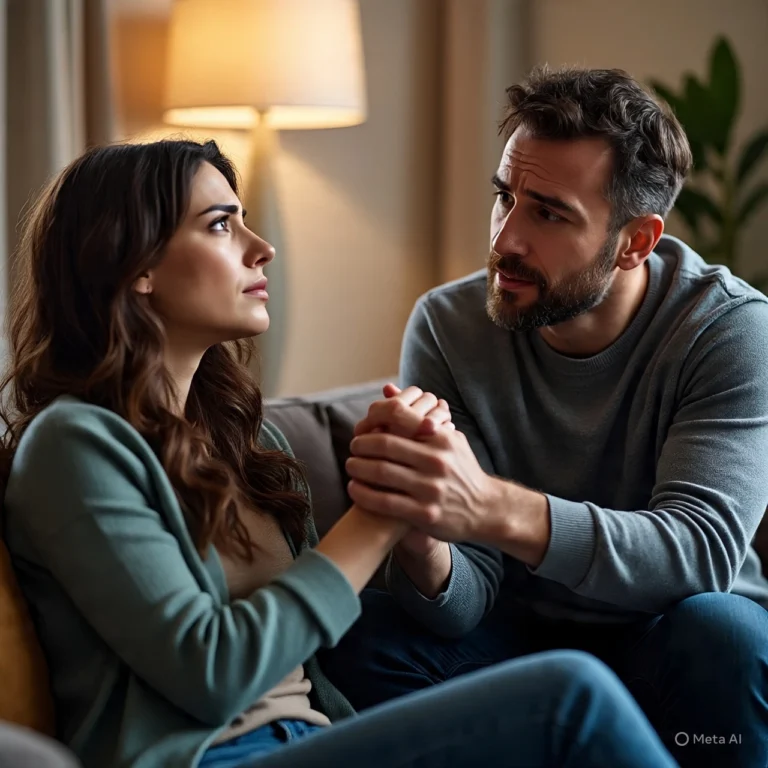
10 Conflict Resolution Mistakes That Hurt Your Marriage

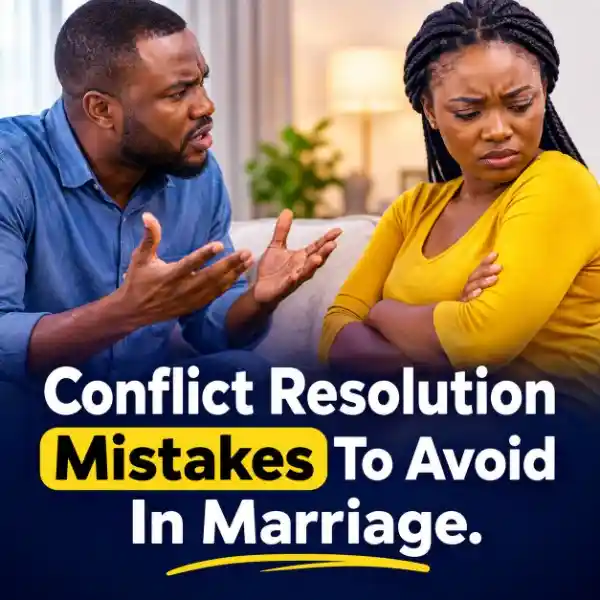
Most couples don’t argue because they enjoy arguments, and conflict itself is not the enemy of a healthy relationship. What actually destroys a marriage is repeating the same patterns every time there’s a disagreement. Couples don’t get stuck because the issue is overwhelming, but because of how they handle it.
That’s where conflict resolution mistakes in marriage gradually do the most damage, turning small issues into recurring wounds and destroying the trust couples fought so hard to build.
The good news is that all these mistakes can be unlearned. In this article, I will show you 10 common mistakes that keep couples fighting the same battle.
I will also give you practical direction to handle each one differently. These lessons have worked for many couples, and they will work for you too, whether you have been married recently or for many years.
Why Couples Keep Repeating The Same Conflicts:
Before we look at certain conflict-resolution mistakes in marriage, you must understand why couples can fall into the same argument again and again. Most of the time, it comes down to emotional triggers from childhood experiences, past relationships, or unresolved hurts within the marriage.
When a spouse feels disrespected or criticized, an old emotional reflex will likely take over, and it will stop being about the issues at hand. Unhealthy relationship patterns play a role too. Couples sometimes fall into predictable roles, in which one person withdraws and the other pursues, and neither realizes they are locked into a script.
The truth is that many couples are not familiar with conflict skills, because nobody taught them how to fight fair. Finally, there are big differences between solving a problem and winning an argument. To have a full framework on how to build better habits, see my powerful guide, Mastering Conflict Resolution Skills.
Conflict Resolution Mistakes In Marriage:
Mistake #1 — Trying To Win Instead Of Understanding:
One of the most destructive habits in marriage is treating disagreements like competitions to be won. When all a couple wants during a disagreement is to prove themselves right, they stop listening to understand the other person and start listening to have proof.
This might make you feel better for a little while, but it will cost long-term intimacy, because your spouse will feel dismissed and unheard. However, genuine curiosity will change everything. Instead of trying to prove a point, try to understand how your spouse is actually feeling and why they are feeling that way.
For example, instead of arguing over who didn’t pay a bill, ask what stress is behind the frustration. This will turn the courtroom into a conversation; this is one of the common conflict resolution mistakes in marriage to observe closely.
Mistake #2 — Bringing Up Past Offenses:
One of the habits that can derail a conversation faster is dragging old wounds into the current disagreement. This happens when a partner brings up wounds from years ago; it causes the current disagreement to get buried under resentment as both partners start defending their history instead of dealing with today’s problems.
It takes great discipline to stay focused on the current issue, but one helpful way to achieve it is to name the temptation out loud: for example, “I want to bring up the past right now, but let’s stick to this.” That little sentence can protect your conversation and make both spouses believe that the day’s disagreement will not become a courtroom for old mistakes.
Mistake #3 — Listening To Reply Instead Of Understanding:
Many spouses spend their entire conversation preparing for the next response, instead of truly paying attention to what their partner is saying. This is one of the conflict resolution mistakes in marriage. The worst is that it turns a discussion into two monologues happening at the same time.
Active listening is very important when trying to have a good conversation with a spouse. It means giving full attention to your spouse, avoiding the urge to interrupt, and asking clarifying questions like “What did you mean by that?” before responding.
Reflective listening takes this a step further, as it repeats back what you heard so your partner will feel truly understood. This little shift will transform arguments into genuine dialogue. See my communication pillar article to learn more.
Mistake #4 — Assuming Your Spouse Knows Your Feelings:
Many marriages pass through challenges simply because one spouse is expecting the other to know what they are feeling without being told. Your partner is not a mind reader, so don’t expect them to automatically know your mind.
Mind-reading expectations have set many marriages up for disconnection, because no partner can consistently guess unspoken emotion without mistakes.
A true emotional expression is all about naming feelings directly, and not about hoping they will be noticed. Using “I feel” statements, such as “I feel overlooked when plans change without me,” shows emotion without blame. This small shift will remove guesswork from your relationship and communicate to your spouse the need to respond more carefully.
Mistake #5 — Refusing To Take Responsibility:
One habit that kills relationships quietly is pride, because it hides under the desire to be right or strong. When you refuse to admit your faults, resentment starts growing on the other side.
This is one of the hardest conflict resolution mistakes to admit, because accountability means naming specific things you got wrong instead of a defensive statement.
An honest apology names the real issue, acknowledges the effects, and commits to change instead of just saying “I’m sorry you feel that way.” Never see humility as weakness, because it is a willingness to be corrected for the relationship.
Mistake #6 — Allowing Anger To Control The Conversation:
When anger takes over your conversation, your words can get sharper, and you can say what you can regret later. Emotional regulation means knowing when anger is rising before it hijacks your discussion.
Take a few minutes to pause when you notice that, and return later rather than storming off. This will protect you and your spouse from saying something vulgar in the heat of the moment.
The most important thing is that the pause must include a commitment to return and finish the discussion, effectively within thirty minutes to a few hours. The pause is just a tool to calm the moment, not to avoid the situation.
Mistake #7 — Ignoring The Real Issue:
The arguments you are experiencing are frequently a disguise for something deeper, and it’s among the most neglected conflict resolution mistakes in marriage. An argument about money might be about trust; probably one partner feels the other is keeping secrets with shared resources.
Criticism about parenting can mask unmet expectations. Recognizing this pattern requires that both of you pursue and consider what might be driving the frustration, rather than settling every argument at the surface, as it will definitely resurface.

Mistake #8 — Looking For Quick Fixes Instead Of Lasting Change:
Having constant disagreements about the same thing is undoubtedly a clear sign of unresolved hurts, which also shows that quick fixes are not the best way to deal with issues.
If you want to resolve your conflicts with a hasty compromise, the same tension will gradually resurface after some time because underlying issues didn’t change. If you want to build lasting changes, you must create new habits for handling a recurring stressor, whether it’s a check-in conversation or a shared plan.
Consistency matters more than intensity, and small and steady adjustments do more for a marriage than one intense conversation that’s not followed up, especially when practiced over months.
Mistake #9 — Never Learning Better Conflict Skills:
One of the simplest conflict resolution mistakes in marriage is that many couples assume conflict resolution is something people have or don’t have, but conflict resolution is a learnable skill just like any other. For example, reading a book on communication will help you learn new language for handling disagreements.
Marriage counselling will offer you a natural space to practice healthier patterns with professional guidance. Structured courses will also help walk you through tools, and biblical wisdom on patience and humility will provide a foundation for faith-centered couples, more than what secular advice can give.
Mistake #10 — Forgetting That You’re On The Same Team:
Out of all the conflict resolution mistakes in marriage, the deepest is losing sight of the fact that you and your spouse are on the same team. When either of you treats the other as an opponent, every disagreement will be a battle to be won, instead of a problem to tackle together.
Teamwork reframes conflict entirely from a “Me against you posture to “we against the challenges.” Protecting your marriage, raising brilliant children, and shared goals are more important than winning an argument.
Read my conflict-handling styles, where I shared actionable styles that can help you improve your conflict resolution skills.
Conclusion:
All the conflict resolution mistakes I covered in this post can be learned, and no couple is exempt from practicing a few of them. Recognizing these mistakes in your marriage is not to assign blame to anyone, but to build awareness that leads to real change.
Once you identify and correct these patterns, your trust bank account will increase, communication will be clearer, and your marriage that feels like a battleground will feel more like a partnership.
For a complete roadmap on how to handle disagreements in your marriage, read my complete guide to mastering conflict resolution skills. It will walk you through the full process. Reading it along with this list of conflict resolution mistakes in marriage will give you both things to avoid and the tools that will help you replace them with healthier habits.
Frequently Asked Questions About Conflict Resolution Mistakes:
What are the most common conflict resolution mistakes in marriage?
One of the most common conflict resolution mistakes in marriage is defensiveness. This is where a spouse diverts instead of listening, blames instead of providing solutions, and interrupts, which prevents the other spouse from feeling heard.
Each of these habits seems to appear together, since one mistake triggers another. However, to break that pattern, you must recognize them individually.
Can recurring arguments damage a marriage?
Yes, it can, especially if the same argument repeats itself without resolution. It will first create emotional distance, which may lead to separation or divorce. Trust will gradually disappear because neither of the spouse will feel that the relationship is improving, and resentment will build gradually in the background.
Over time, if not properly handled, this pattern can make couples like roommate, especially when they stop sharing their concerns simply to avoid another argument.
The good side of it is that the damage is reversible. You only have to take action immediately when you identify the pattern; over time, distance can be closed, and trust will be restored gradually through healthier conversation.
How do couples stop making the same Conflict Resolution Mistakes In Marriage?
Changes start when partners honestly notice and take ownership of their role in the pattern, instead of only seeing their spouse’s contribution. From there, they will benefit from improving their communication skills, particularly active listening.
Shared problem-solving means both spouses work together to find a solution instead of trying to prove who is right. Over time, this creates a healthier way of handling problems, especially when working together becomes a regular habit.
Should every disagreement be resolved immediately?
Not necessarily. It pays to take a little break when emotions are high, because conversations held in anger don’t produce anything good. A short pause will allow both of you to think clearly and return to the conversation calmly.
The most important thing is to ensure your pause always leads you back to the conversation and is not a way to avoid the conversation independently, as prolonged avoidance always causes more harm than the disagreement itself.
Can marriage counseling help with conflict resolution?
Yes. Marriage counselling can help, especially when a couple feels stuck in the same argument without knowing which way forward. Couples can expect to receive a neutral guide during counseling sessions that will help them surface the real issues beneath the surface.
Counseling supports personal growth by helping both partners learn how to communicate better and giving them a safe place to practice new ways of relating before using them at home.